Garage doors are one of the most used moving parts in a home, and over time, they can encounter problems that need fixing. This Garage Door Troubleshooting Guide will help you identify and resolve common garage door issues. Whether you’re dealing with a noisy door, broken springs, or a door that won’t open, this guide provides practical garage door solutions and maintenance tips. Let’s dive into the most frequent problems and how to fix them.
Common Garage Door Problems
Before you can fix your garage door, you need to know what’s wrong. Here are the most common garage door issues homeowners face:
- Garage Door Won’t Open or Close
- Noisy Garage Door
- Garage Door Stuck Midway
- Remote Control or Wall Switch Not Working
- Garage Door Reverses Before Closing
- Broken Garage Door Springs or Cables
- Garage Door Moves Unevenly
- Garage Door Opener Malfunctions
1. Garage Door Won’t Open or Close
If your garage door won’t open or close, the problem could stem from a few key sources:
Check Power Source
- Make sure the garage door opener is connected to a working power outlet. Sometimes, a tripped breaker or a blown fuse could be the culprit.
- Check if the remote control batteries are dead.
Inspect Photo-Eye Sensors
- The photo-eye sensors located at the bottom of the door track can become misaligned or dirty. If these sensors can’t “see” each other, the door won’t close.
- Wipe off the sensors and make sure they are properly aligned.
Examine the Garage Door Tracks
- If the tracks are misaligned or bent, the door might not open. Gently tap them back into place and tighten the bolts.
2. Noisy Garage Door
Noisy garage doors can be annoying, but most noise issues are caused by loose hardware, worn-out rollers, or lack of lubrication.
Tighten Loose Parts
- Loose hardware such as bolts and screws can cause rattling and squeaking. Use a wrench or socket set to tighten any loose bolts.
Lubricate Moving Parts
- Use a garage door-specific lubricant to grease the rollers, hinges, and tracks. Avoid WD-40 as it’s not suited for garage door parts.
- Apply lubricant to the torsion spring as well.
Replace Worn-Out Rollers
- If the door is still noisy, the rollers might be worn. Replace them with nylon rollers, which are quieter than steel ones.
3. Garage Door Stuck Midway
A garage door that gets stuck halfway usually points to problems with the springs or the balance of the door.
Check for Broken Springs
- If the torsion or extension springs are broken, the garage door will struggle to open or close. Broken springs should be replaced by a professional as they are dangerous to handle.
- Disconnect the opener and manually lift the door. If it doesn’t stay open halfway, it’s not properly balanced. Adjusting the tension requires professional assistance.
4. Remote Control or Wall Switch Not Working
If pressing the remote or wall switch doesn’t move the door, the problem might lie in the control system.
Check the Remote Control Batteries
- Replace the batteries in the remote control. If that doesn’t work, try reprogramming the remote with your garage door opener.
Test the Wall Switch
- If the remote isn’t the problem, test the wall switch. If the switch doesn’t work, you may need to replace it. It could also be a wiring issue.
5. Garage Door Reverses Before Closing
A garage door that reverses before fully closing could signal an issue with the opener’s safety features.
Adjust the DownForce Settings
- Most garage door openers come with a sensitivity setting that determines how much force is needed for the door to close. If the setting is too high, the door may sense resistance and reverse direction. Adjust this setting on your opener.
Check for Obstacles
- Ensure nothing is blocking the door’s path. Even small objects can trigger the door to reverse.
Clean or Realign Photo-Eye Sensors
- Dirty or misaligned photo-eye sensors can trick the opener into thinking there’s an obstruction. Clean the sensors and check their alignment.
6. Broken Garage Door Springs or Cables
Garage door springs and cables handle the heavy lifting and are subject to wear and tear over time.
Recognize Signs of Broken Springs
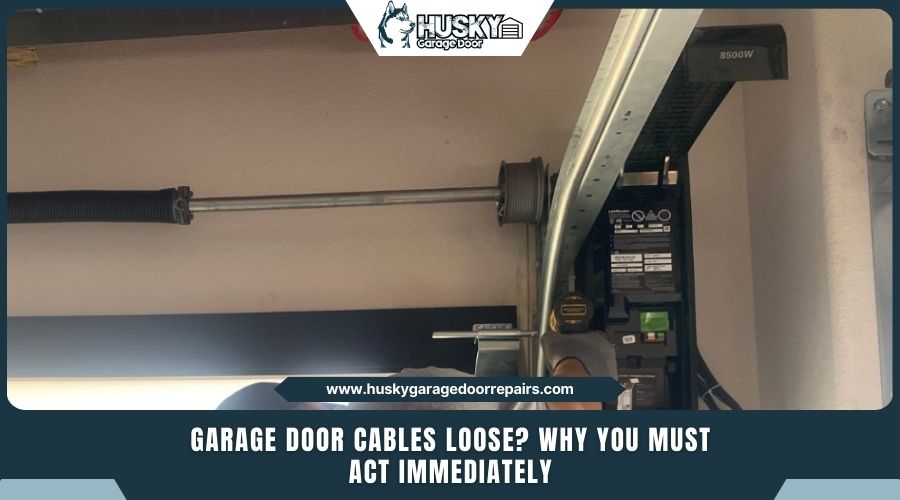
- If the door won’t open at all or you hear a loud bang from the garage, a spring may have broken.
- Broken cables, on the other hand, will cause the door to hang unevenly.
Avoid DIY Repairs
- Spring and cable repair is dangerous due to the high tension these parts are under. Always call a professional for these repairs.
7. Garage Door Moves Unevenly
If your garage door moves unevenly or one side seems higher than the other, the likely cause is an issue with the track or springs.
Inspect the Tracks
- Check if the tracks are bent or misaligned. If so, carefully straighten them using a mallet or contact a professional for major misalignments.
Check for Broken Springs
- Uneven movement can also occur if one spring is broken or worn. A professional technician should replace the springs in pairs.
8. Garage Door Opener Malfunctions
Garage door openers are prone to wear, especially in older systems. If your opener isn’t working, try these steps:
Reset the Opener
- Unplug the opener for 30 seconds and then plug it back in. This can reset the system and solve many minor issues.
Reprogram the Remote
- If the remote isn’t working, it might need to be reprogrammed to the opener. Follow your opener’s manual for instructions.
Check the Gears and Motor
- If your opener is old and frequently malfunctions, it may be time to replace the gears or motor. Consult a professional technician for a diagnosis.
Garage Door Maintenance Tips
Regular garage door maintenance can prevent many of the problems mentioned above. Here are a few tips to keep your garage door in top shape:
- Lubricate Moving Parts: Apply lubricant to the door’s rollers, tracks, and hinges at least twice a year.
- Check Door Balance: Test your door’s balance annually to ensure the springs are working properly.
- Tighten Hardware: Every few months, inspect the bolts, screws, and other hardware for looseness.
- Inspect the Weatherstripping: Check the bottom seal for signs of wear and replace it if necessary to prevent moisture and debris from entering your garage.
When to Call a Professional
Some garage door issues are too complex or dangerous for a DIY garage door fix. If you encounter broken springs, damaged cables, or significant opener malfunctions, it’s best to call a professional garage door technician. Attempting these repairs on your own can result in injury or further damage to your door system.
FAQ
- Why is my garage door not closing all the way?
If your garage door won’t close fully, it could be due to misaligned photo-eye sensors, obstructions in the door’s path, or issues with the opener’s down-force settings. Check if anything is blocking the sensors or door and clean the photo-eyes. Adjusting the opener’s force setting might also solve the issue.
- What should I do if my garage door makes loud noises?
Noisy garage doors are usually caused by loose hardware, lack of lubrication, or worn-out rollers. Tighten any loose bolts and screws, apply garage door lubricant to the moving parts, and if the noise persists, consider replacing the rollers with nylon ones, which are quieter.
- Why is my garage door stuck halfway?
A garage door stuck midway could indicate a broken spring, damaged cables, or an unbalanced door. In most cases, fixing these issues requires professional help, especially if the springs or cables are damaged, as these parts are under high tension and can be dangerous to handle.
- How do I fix a garage door remote that isn’t working?
First, check if the remote batteries need replacing. If the problem persists, try reprogramming the remote with the opener. If neither solution works, the issue could be with the remote’s sensor or the opener itself, which might need a professional diagnosis.
- What causes a garage door to reverse before closing?
A garage door that reverses before closing could be due to misaligned or dirty photo-eye sensors or an overly sensitive opener down-force setting. Ensure the sensors are aligned and clean, and adjust the opener’s down-force setting to allow the door to close smoothly.