When it comes to garage door springs, not all springs are created equal. There are two main types you might have on your garage door: torsion springs and extension springs. Both serve the same purpose—helping to lift and lower your garage door—but they do so in different ways. Understanding the differences between these two types of springs can help you make informed decisions when it comes time for garage door spring repair.
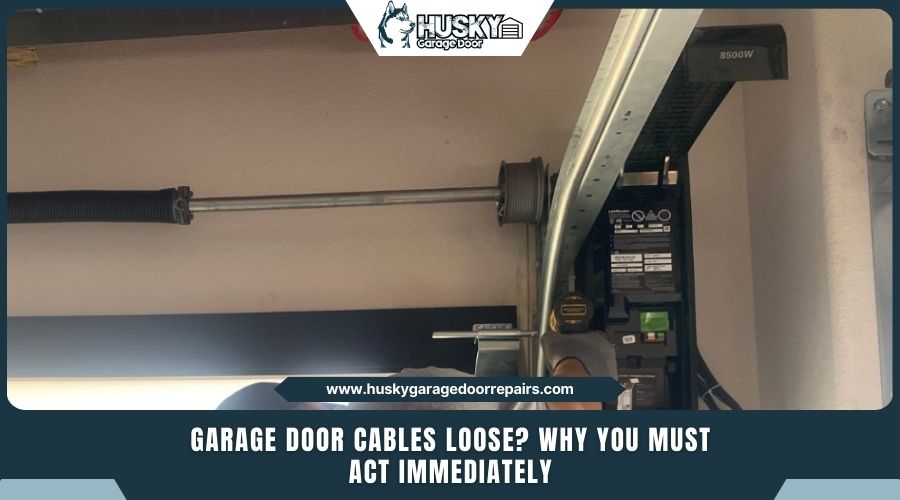
Torsion springs are the more modern and commonly used type of garage door spring. They are typically mounted horizontally above the garage door opening. These springs work by twisting or coiling as the door is lowered, storing energy that is then released to lift the door back up. Torsion springs are known for being durable and capable of handling heavier doors. They also offer a smoother and more balanced operation, which reduces wear and tear on the door and opener over time.
On the other hand, extension springs are mounted on either side of the garage door, running parallel to the tracks. These springs stretch and contract as the door opens and closes. While extension springs are still used in many residential garage doors, they are generally considered less safe than torsion springs because they can snap under high tension. When this happens, the broken pieces can become dangerous projectiles, which is why safety cables are often installed with extension springs to contain them if they break.
One of the main differences between torsion and extension springs is their lifespan. Torsion springs typically last longer, with a lifespan of about 15,000 to 20,000 cycles (a cycle being one full open and close of the garage door). Extension springs, however, have a shorter lifespan, usually around 10,000 cycles. This means that if you have extension springs, you might need garage door spring repair or replacement more frequently.
Another key difference is the maintenance required. Torsion springs require less maintenance because they distribute the load more evenly and experience less friction during operation. Extension springs, however, need more frequent adjustments and checks to ensure they are aligned and balanced correctly.
Due to their complexity and durability, torsion springs are generally more expensive than extension springs in terms of cost. However, the long-term benefits of torsion springs—such as increased safety, durability, and smoother operation—often outweigh the initial cost difference.
In conclusion, understanding the differences between torsion and extension springs can help you choose the best option for your garage door. Whether you’re dealing with a broken spring or planning a replacement, knowing what type of spring you have and how it works is essential. For any garage door spring repair, it’s always best to consult a professional who can safely and effectively handle the job.
FAQs for Garage Door Spring Repair
What is the difference between torsion and extension springs?
Torsion springs twist to lift the door and are mounted above, while extension springs stretch and are mounted on the sides.
Which type of spring lasts longer?
Torsion springs typically have a longer lifespan of 15,000 to 20,000 cycles, compared to 10,000 cycles for extension springs.
Are torsion springs safer than extension springs?
Yes, torsion springs are generally safer because they don’t pose the same risk of snapping under high tension.
Do torsion springs require less maintenance?
Yes, torsion springs usually require less maintenance due to their balanced operation and lower friction.
Should I upgrade from extension to torsion springs?
Many homeowners prefer torsion springs for their safety, durability, and smoother operation, but it depends on your specific needs and budget.