Garage doors are a vital component of home security and convenience, but they can also pose safety risks if not properly maintained. Whether you use your garage for parking, storage, or as a workspace, knowing how to keep your garage door safe is essential. In this comprehensive guide, we’ll explore essential safety tips for your garage door, ensuring it remains a secure entry point while minimizing potential hazards.
Understanding Garage Door Safety
Garage doors are heavy and operate with complex mechanisms, which is why safety is paramount. According to the U.S. Consumer Product Safety Commission (CPSC), there are approximately 30,000 injuries related to garage doors each year, making safety measures crucial for homeowners. Following best practices can help you avoid accidents and maintain your garage door effectively.
1. Regular Maintenance is Key
Routine Inspections
Conduct regular inspections of your garage door to ensure that all components are functioning correctly. Look for signs of wear and tear on springs, cables, rollers, and tracks.
- Frequency: Aim for inspections at least twice a year or more often if you use your garage frequently.
- Professional Help: Hire a qualified garage door technician for an annual tune-up to address any potential issues.
Lubrication
Keeping the moving parts of your garage door lubricated is essential for smooth operation and longevity.
- What to Lubricate: Apply a silicone-based lubricant to hinges, rollers, and tracks. Avoid using grease, which can attract dirt and debris.
- How Often: Lubricate your garage door every six months for optimal performance.
2. Install Safety Features
Safety Sensors
Most modern garage doors come with safety sensors that prevent the door from closing if an object is detected in its path.
- Positioning: Ensure the sensors are installed correctly and are clean from dirt or obstructions.
- Testing: Test the sensors regularly by placing an object in their path and confirming that the door reverses.
Auto-Reverse Mechanism
The auto-reverse feature is a critical safety component that allows the garage door to reverse if it encounters an obstacle.
- Testing: Test this feature monthly by placing a small object (like a rolled-up towel) under the door and trying to close it. If the door doesn’t reverse upon contact, contact a professional for repairs.
3. Educate Family Members
Teach Children About Garage Door Safety
It’s crucial to educate all family members, especially children, about garage door safety.
- Usage Rules: Explain the proper way to use the garage door opener and the importance of not playing near the door.
- Emergency Procedures: Teach children what to do in case of a malfunction or emergency, such as how to use the emergency release cord.
4. Keep the Area Clear
Maintain a Safe Environment
Keeping the area around your garage door clear can help prevent accidents.
- Debris-Free Zone: Ensure there are no toys, bikes, or tools in the vicinity of the door. This helps prevent accidental tripping or blocking the door’s path.
- Lighting: Install adequate lighting around the garage entrance to ensure visibility during nighttime use.
5. Use Your Garage Door Opener Wisely
Secure Your Remote
The garage door remote should be treated like a house key.
- Keep It Secure: Don’t leave your remote in your car or accessible to unauthorized individuals. Consider using a keychain remote that you can keep with you.
- Smart Technology: If you have a smart garage door opener, ensure it has strong passwords and is connected to a secure Wi-Fi network.
Manual Operation
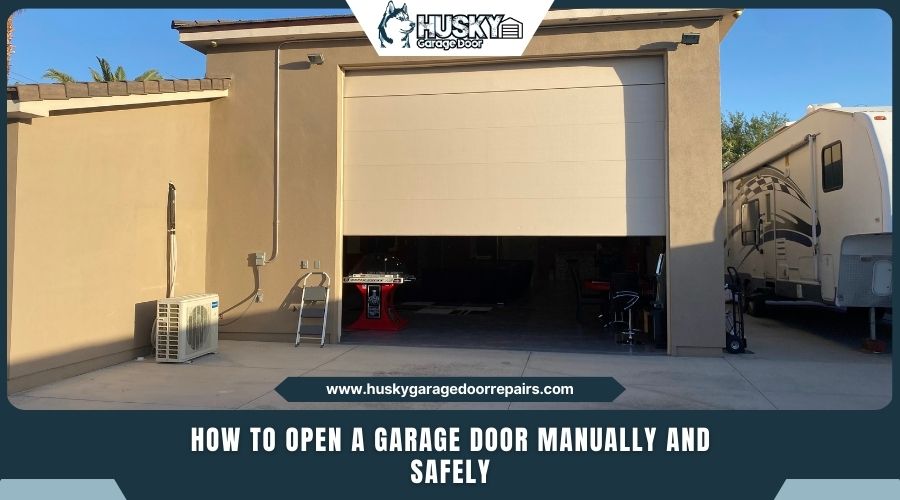
Know how to operate your garage door manually in case of a power outage.
- Emergency Release Cord: Familiarize yourself with the emergency release cord, usually a red handle, that allows you to disengage the door from the opener for manual operation.
6. Inspect and Replace Aging Parts
Check Door Springs
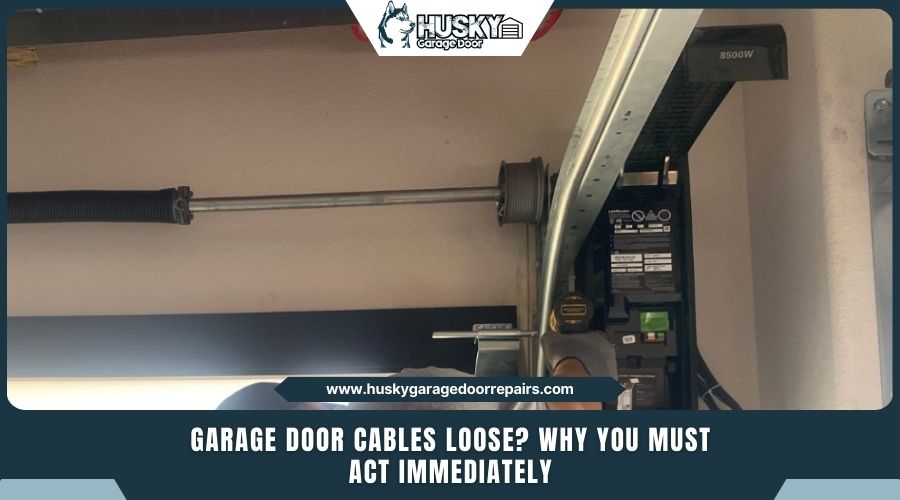
Garage door springs are under high tension and can be dangerous if they break.
- Signs of Wear: Look for signs such as rust or stretching. If you notice any issues, have a professional replace the springs immediately.
- Spring Types: Understand the difference between torsion springs and extension springs, as they require different handling and replacement methods.
Replace Old Weather Stripping
Weather stripping at the bottom of the garage door helps keep out pests, debris, and weather elements.
- Check for Gaps: Inspect the weather stripping for signs of wear and replace it if you notice gaps or tears.
- DIY Replacement: This is a simple task you can often do yourself to improve your garage’s energy efficiency.
7. Know When to Call a Professional
While DIY garage door maintenance is essential, some issues require professional intervention.
- Complex Repairs: If you encounter problems with the door’s mechanism, such as misalignment or failure to open/close, contact a professional garage door technician.
- Safety Inspections: Consider having a professional conduct a safety inspection every few years to ensure all components are in good working order.
Signs Your Garage Door Needs Immediate Attention
A malfunctioning garage door can pose safety risks and lead to significant repair costs if not addressed promptly. Knowing the signs that indicate your garage door needs immediate attention is crucial for maintaining safety and functionality. Here are some common warning signs that you should not ignore:
- Unusual Noises During Operation
If your garage door is making loud or unusual noises—such as grinding, scraping, or banging—it may indicate that components are wearing out or malfunctioning. These noises can be a sign of issues with the springs, rollers, or opener. Regularly operating garage doors should function quietly, so any abnormal sounds warrant an inspection.
- Slow or Uneven Movement
A garage door that opens or closes slowly or moves unevenly may indicate problems with the springs or tracks. If the door hesitates or struggles to move, it could lead to complete failure or pose a safety hazard. Observing the door’s speed and alignment can help you identify these issues early on.
- Door Won’t Open or Close
If your garage door is unresponsive to the remote or wall switch, it may be an electrical issue, a malfunctioning opener, or a problem with the safety sensors. Regardless of the cause, a door that won’t open or close can be a significant inconvenience and may require immediate attention to prevent being locked out or trapped inside.
- Visible Damage to Components
Inspect your garage door regularly for visible signs of damage. Cracks in the panels, rust on metal components, or frayed cables can indicate that the door requires repair or replacement. Even minor visible damage can compromise the door’s functionality and safety, so it’s essential to address these issues promptly.
- Worn or Broken Springs
Garage door springs bear the weight of the door and are under a significant amount of tension. If you notice that the springs are visibly stretched, rusted, or broken, it is crucial to stop using the door immediately. Broken springs can lead to accidents and should only be replaced by a qualified technician due to the risk involved.
- Misalignment of Tracks
If your garage door seems to be misaligned or off-track, it can create additional stress on the door and its components. This misalignment can result in difficulty opening or closing the door and increase the likelihood of a complete breakdown. It’s essential to call a professional if you notice this issue.
- Inconsistent Reversal
If your garage door fails to reverse when it detects an obstacle, it may indicate a problem with the safety sensors. This feature is vital for preventing accidents and injuries, particularly for children and pets. Regularly test the reversal feature and seek professional help if the door does not reverse appropriately.
- Age of the Door
If your garage door is over 15 years old and showing signs of wear, it may be time to consider a replacement. Older doors are more prone to malfunctions, and their safety features may not meet current standards. Evaluate whether investing in repairs is worth it compared to a new door with updated safety features.
- Frequent Breakdowns or Repairs
If you find yourself frequently repairing your garage door, it may indicate a more significant underlying issue. Continual breakdowns not only add up in costs but can also create safety concerns. A consistent pattern of problems suggests that it may be time to consider replacing the entire system.
FAQ
- What are the main dangers of garage doors for children and pets?
Garage doors can pose several dangers, including the risk of crushing injuries from a closing door, being pinched by moving parts, or becoming trapped if the door malfunctions. It’s crucial to educate children and supervise pets to mitigate these risks.
- How can I ensure my garage door is safe for my children?
To ensure safety, install safety sensors that detect obstacles and reverse the door’s movement, keep the area clear of toys and other items, and educate children about the importance of staying clear of the door when it’s in motion.
- Are garage door safety sensors required by law?
Yes, garage door safety sensors have been required by law since 1993 for new installations in the U.S. These sensors are designed to prevent the door from closing if an object is detected in its path.
- What should I do if my garage door doesn’t reverse when it should?
If the garage door fails to reverse when it detects an obstacle, immediately stop using the door and check for dirt or obstructions on the sensors. If the issue persists, contact a professional technician for repair.
- How often should I inspect my garage door for safety?
Regular inspections should be conducted at least twice a year. During these inspections, check for worn parts, ensure safety features are functioning, and lubricate moving components.
- What can I do to teach my children about garage door safety?
Educate your children about the risks associated with garage doors. Establish clear rules about staying away from the door while it’s in motion and teach them to recognize warning signs of malfunction.
- Are there any specific features I should look for in a garage door opener for safety?
When choosing a garage door opener, look for models with built-in safety features, such as automatic reversal mechanisms, battery backup, and smartphone connectivity for monitoring and remote operation.
- How can I prevent pets from accidentally triggering the garage door?
To prevent pets from triggering the garage door, keep the remote controls out of their reach, supervise them while playing in the garage area, and ensure that the garage door is equipped with safety sensors.
- What is the best way to handle a garage door emergency?
In case of a garage door emergency, familiarize yourself with the manual release mechanism that disengages the door from the opener. This allows for manual operation. Always have the contact information of a trusted technician on hand for urgent repairs.