Garage doors are essential components of your home’s security and convenience, but they can be prone to wear and tear. While professional repair is sometimes necessary, many common garage door issues can be fixed on your own with the right tools and guidance. In this comprehensive guide, we’ll cover everything you need to know about DIY garage door repair, from troubleshooting common problems to essential maintenance tips. By the end of this guide, you’ll be equipped to handle basic repairs and understand when it’s time to call a professional.
Why DIY Garage Door Repair?
Fixing your garage door yourself can save you both time and money. Hiring a professional can cost anywhere between $150 to $600, depending on the issue. For minor issues, taking a DIY approach allows you to avoid these costs and quickly get your door back in working order. Additionally, performing your own repairs helps you understand the mechanics of your door, which can help prevent future breakdowns.
Common Garage Door Issues You Can Fix Yourself
1. Garage Door Won’t Open or Close
This is one of the most common garage door issues. Before assuming something major is wrong, inspect garage door potential causes:
- Power Source Issues: Ensure the garage door opener is plugged in and the breaker hasn’t tripped.
- Photo Eye Sensor Alignment: The sensors near the base of the door could be misaligned. Clean the sensors and adjust their positioning.
- Remote or Wall Switch Malfunction: Replace the batteries in your remote or check the wall switch wiring.
2. Noisy Garage Door
A noisy garage door can be annoying but is often easy to fix:
- Lubrication: Apply a garage door lubricant to the rollers, tracks, and hinges. Avoid using standard WD-40, as it can gum up over time.
- Tightening Bolts: Over time, bolts and nuts can loosen due to vibrations. Tighten them with a socket wrench to reduce noise.
3. Garage Door Opens Partially
If your garage door opens halfway and then stops, the issue is likely related to the door’s travel limit or force settings.
- Travel Limit Settings: These are adjustable on the garage door opener unit. Refer to your opener’s manual to properly adjust these settings.
- Track Obstruction: Make sure there’s no debris blocking the tracks, and that the door isn’t hitting an obstruction.
4. Broken Garage Door Springs
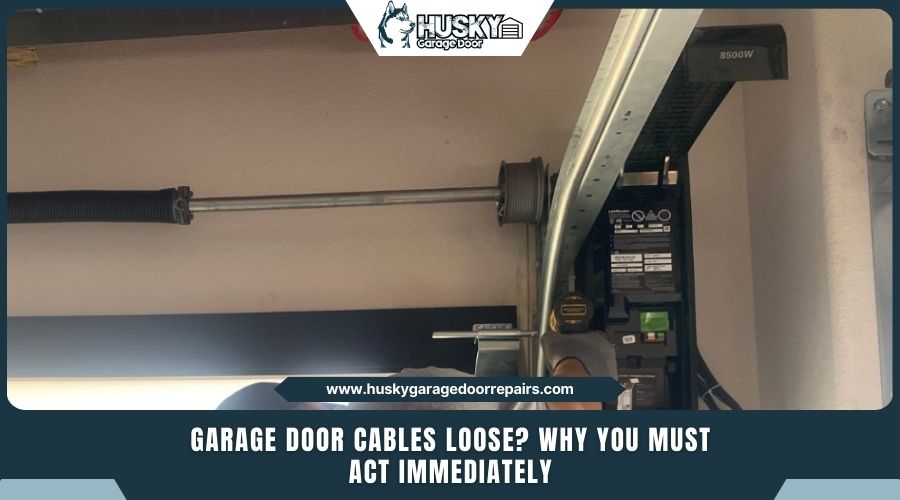
Torsion or extension springs are integral to the operation of the door, and if they break, the door won’t open properly. However, this is one of the more dangerous repairs, and it’s advisable to call a garage door repair professional. If you are experienced in DIY projects and have the right tools, you can replace the springs yourself, but proceed with caution.
Must-Have Tools for Effective DIY Garage Door Repair and Maintenance
Before starting any DIY garage door repair project, make sure you have the following tools on hand:
- Socket Wrench Set: For tightening bolts and other adjustments.
- Screwdrivers (Flat and Phillips): To remove or tighten screws.
- Pliers: For gripping and adjusting small parts like hinges.
- Level: To ensure tracks and other components are properly aligned.
- Safety Glasses: Protect your eyes, especially when working with springs or power tools.
- C-Clamps: To keep the door in place when you’re working on it.
- Garage Door Lubricant: For smooth operation of rollers and hinges.
Top DIY Garage Door Maintenance Tips to Keep Your Door Running Smoothly Year-Round
Routine maintenance can help you avoid costly repairs and extend the lifespan of your garage door. Here are a few maintenance tasks you can perform yourself:
1. Lubricate Moving Parts
Apply a garage door-specific lubricant to the rollers, tracks, and hinges every six months. This reduces friction and wear, leading to quieter and smoother operation.
2. Inspect and Tighten Hardware
Check all bolts, nuts, and screws every few months, especially around the roller brackets and the garage door opener unit. Tighten any loose hardware to prevent rattling or malfunction.
3. Test the Balance
Disconnect the opener and manually lift the door halfway. If it doesn’t stay in place, the springs may need to be adjusted. Improperly balanced doors place extra stress on the opener, leading to faster wear and tear.
4. Clean and Clear the Tracks
Debris, dust, or grime in the tracks can hinder smooth operation. Use a damp cloth to wipe down the tracks and remove any buildup. Ensure the tracks are aligned and straight to avoid issues with the door’s movement.
When to Call a Professional
While many garage door repairs can be done yourself, certain problems should be handled by professionals. Broken springs, damaged cables, and off-track doors are examples of repairs that can be dangerous if attempted without proper training.
Additionally, if you’ve tried DIY fixes and your garage door still doesn’t function correctly, it’s best to contact a professional to avoid further damage.
Safety Tips for DIY Garage Door Repair
- Always Disconnect Power: Before working on the opener or electrical components, unplug the unit to avoid electric shocks or accidental activation.
- Use the Right Tools: Using improper tools can lead to accidents or damage to your garage door. Make sure you have the correct tools before starting any project.
- Be Cautious with Springs: Garage door springs are under immense tension and can cause serious injury if not handled properly. If you’re unsure, it’s safer to call a professional.
- Wear Protective Gear: Always wear gloves and safety glasses, especially when dealing with tensioned parts like springs and cables.
Frequently Asked Questions About DIY Garage Door Repair
1. How often should I perform maintenance on my garage door?
It’s recommended to perform maintenance, such as lubricating moving parts and checking for loose hardware, every six months to ensure your door operates smoothly and lasts longer.
2. Can I replace garage door springs myself?
Replacing garage door springs is a dangerous task due to the high tension. It’s recommended to call a professional for spring repairs to avoid injury.
3. Why is my garage door making loud noises?
Loud noises can be caused by loose hardware, worn rollers, or a lack of lubrication. Tighten bolts and nuts, lubricate the moving parts, and check for worn-out components.
4. What should I do if my garage door is off-track?
If your door has come off its tracks, it’s best to call a professional to safely realign it. Attempting to fix it yourself can lead to further damage or injury.