Is your garage door creating a loud, grating noise each time it opens or closes? This noise is often caused by neglected or dry garage door springs. While the sounds might seem trivial, they signal a need for maintenance that, if left unaddressed, can lead to more serious (and costly) repairs down the line. Here, we’ll explore how you can tackle noisy springs with a simple DIY lubrication method that ensures smooth operation and extends the life of your garage door.
Why Lubricating Your Garage Door Springs is a Smart Move
Garage door springs support the heavy weight of your door, balancing it to open and close efficiently. Without regular lubrication, these springs wear down, creating noise, increasing friction, and ultimately leading to potential system failure. By keeping your springs lubricated, you can avoid expensive repair costs and ensure smoother, quieter operation.
Fact: Regular garage door maintenance, including spring lubrication, can extend the system’s lifespan by up to 50%.
Understanding Torsion and Extension Springs on Your Garage Door
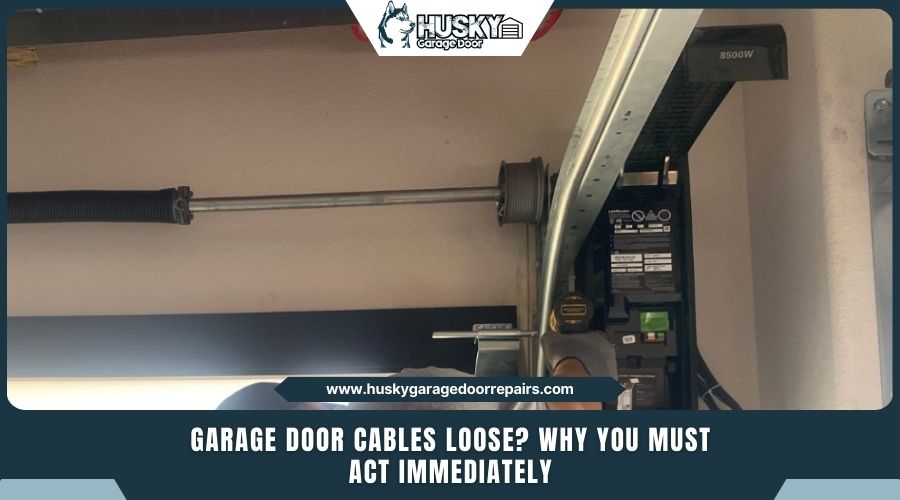
Understanding the type of springs your garage door uses can help you prepare properly for lubrication and maintenance. Here’s a quick comparison:
| Spring Type | Location on Door | Operation Mechanism | Lifespan (Cycles) |
| Torsion Springs | Mounted horizontally above the door | Twist to create tension | 10,000 – 20,000 cycles |
| Extension Springs | Positioned along door tracks | Expand and contract | 5,000 – 10,000 cycles |
Most residential doors use torsion springs for durability, though extension springs are also common, especially on lighter or single-panel doors.
Essential Tools and Supplies for DIY Garage Door Spring Lubrication
Before beginning, make sure you have these supplies on hand:
- Silicone-Based Garage Door Lubricant: Preferred for long-lasting lubrication that resists dust and moisture. Look for options like Blaster Garage Door Lubricant or 3-IN-ONE Garage Door Lube in most hardware stores.
- Protective Gloves: Safety should be a top priority.
- Clean, Dry Cloth: Essential for wiping away any accumulated dust or grime.
Note: Avoid using WD-40 on garage door springs. WD-40 is a cleaner than long-term lubricant and can cause spring rusting over time.
Finding the Right Lubricant
For the best results, visit local hardware stores or online suppliers that offer garage door lubricants specific to your climate. Some of the best products include silicone-based lubricants that remain effective through seasonal changes.
Step-by-Step Instructions for DIY Garage Door Spring Lubrication
1. Disconnect the Power to Your Garage Door
To avoid accidental operation, always disconnect the power source before performing any maintenance on your garage door.
2. Clean the Springs Thoroughly
Dust, dirt, and old grease can prevent the lubricant from spreading effectively. Use a dry cloth to wipe down the springs, making sure to reach all crevices and remove buildup.
3. Apply the Lubricant Evenly Along the Spring’s Length
Spray the lubricant lightly, aiming for an even coat along the full length of each spring. Keep the nozzle a few inches away to avoid over-application.
Safety Tip: Over-lubrication can attract dust, causing a sticky residue. Apply only a light, even coat to avoid this.
4. Lubricate the Other Moving Parts
While focusing on the springs, don’t overlook other components that can benefit from lubrication:
- Rollers: These help guide the door along the tracks. Spray silicone lubricant along the rollers for quieter, smoother operation.
- Hinges: Lubricate the hinges connecting each section of the door.
- Bearing Plates: Located at each end of the torsion spring, these bearings can squeak without lubrication.
Note: Be mindful not to lubricate plastic parts, as some lubricants can degrade plastic over time.
5. Test the Door’s Operation
Reconnect the power and test the door by opening and closing it a few times. This helps distribute the lubricant across the spring’s coils and ensures optimal functionality.
Seasonal Tips to Keep Your Garage Door Springs in Top Shape
Since different seasons affect metal components in unique ways, it’s helpful to adjust your lubrication routine according to the conditions of the weather for your garage door.
Spring and Fall Maintenance
- Semi-Annual Lubrication: Twice-a-year lubrication in spring and fall is sufficient for most homeowners.
- Weather Adaptation: Temperature changes can affect metal springs, making them more susceptible to wear if not properly lubricated.
Winter Lubrication Tips
- Frequency: In cold climates, lubricate your springs every three months to prevent them from stiffening in low temperatures.
- Avoid Water-Based Lubricants: These can freeze and exacerbate metal contraction in winter months.
Summer Lubrication Tips
- Avoid Direct Sunlight: When lubricating in warmer months, park your car away and work in a shaded area, as direct sunlight can cause some lubricants to evaporate quickly.
- Check for Excess Dust: Hot weather can lead to dust accumulation, which may require an extra cleaning before applying lubricant.
The Real Benefits of Regular Garage Door Spring Lubrication with Proven Results
Beyond preventing irritating squeaks, regular lubrication offers the following advantages:
- Extended Component Lifespan: Properly maintained garage door springs can last up to 50% longer, helping homeowners save an average of $200 to $500 in replacement costs. Regular lubrication and maintenance prevent wear and tear, reducing the need for costly repairs.
- Reduced Safety Hazards: Springs bear significant weight. Lubrication reduces the risk of sudden spring snaps, which can cause injuries or damage.
- Quieter Operation: A well-lubricated garage door can operate 40-50% quieter than a neglected one, reducing noise that might disturb neighbors or family.
Real-Life Data: The Costs of Neglect
Homeowners who neglect regular lubrication and maintenance spend an average of $152 to $365 per year cost on garage door repairs. In contrast, routine DIY upkeep costs only $200 to $300, making regular maintenance a cost-effective way to prevent more expensive repairs.
Frequently Asked Questions (FAQs) About Garage Door Spring Maintenance
How Do I Know If My Garage Door Springs Are Failing?
Look out for these common signs of spring issues:
- Loud banging noise when the door operates
- Visible rust or corrosion on the springs
- The door becomes uneven or tilts as it moves
Can I Use Household Oils to Lubricate My Garage Door Springs?
No, household oils like motor oil or WD-40 are not suitable for garage doors. They lack the dust-resistant and durable properties needed for springs and may cause clogging.
What Should I Do If My Garage Door Springs Break?
Broken springs are best handled by a professional, as they can be dangerous to replace without specialized tools. Contact a trusted garage door repair service to ensure safe handling.
Should I Lubricate My Garage Door Tracks?
No, lubricating the tracks can attract dirt and dust, causing buildup. Instead, keep them clean with a dry cloth and apply lubrication to the rollers and springs only.
Protect Your Garage Door with Routine Maintenance
Maintaining your garage door springs with regular lubrication is a simple yet effective way to enhance the performance and lifespan of your garage door system. Our guide is especially helpful for homeowners across various regions. If you’re in Las Vegas, Henderson, North Las Vegas, Summerlin, Spring Valley, Paradise LV, or Enterprise, consider this guide as a helpful resource customized for the unique needs of homes in these areas. Homeowners can enjoy a quieter garage door and avoid costly repairs. Remember, if you’re ever unsure or uncomfortable with DIY tasks, professional garage door technicians are available to help.