When considering garage door service, it’s crucial to understand the range of factors that influence costs. Whether it’s regular maintenance or specific repairs, costs can vary widely based on the nature of the problem, the materials involved, and your location.
Common Garage Door Repair Costs
- Spring Replacement
Torsion or extension springs are essential for smooth operation. Depending on the type, spring replacement typically costs between $200 and $300. In areas with higher labor rates, such as major metropolitan cities, this cost can exceed $500. - Opener Repair/Replacement
If your garage door opener is malfunctioning, repairs can range from $150 to $500. Complete opener replacements, including parts and labor, may cost $300 to $800 for standard units. High-end models can go up to $1,000+ in more expensive regions. - Cable Replacement
Replacing frayed or damaged garage door cables usually costs between $175 and $250, though in areas like Los Angeles or New York, it may exceed $300. - Panel Repair/Replacement
Damage to garage door panels may require repairs starting at $250, with complete replacements ranging from $400 to $800, depending on material and size. High-end materials or custom designs can push this cost over $1,000. - Track and Roller Replacement
Garage door tracks and rollers are prone to wear and tear, often requiring maintenance or replacement. Expect to pay $130 to $300 for track replacement, and about $100 to $200 for roller replacements.
Additional Costs to Consider
- Hinge and Lock Replacements
Replacing garage door hinges costs approximately $100, while replacing or installing locks can range from $100 to $325. - Sensors and Circuit Boards
If your door sensors are malfunctioning, expect to spend between $85 and $100. Circuit board replacements can cost around $70 to $150.
Factors Affecting Garage Door Repair Costs
Several factors can influence the overall cost of your garage door repair:
- Location: Labor costs vary by region, with higher rates in large metropolitan areas.
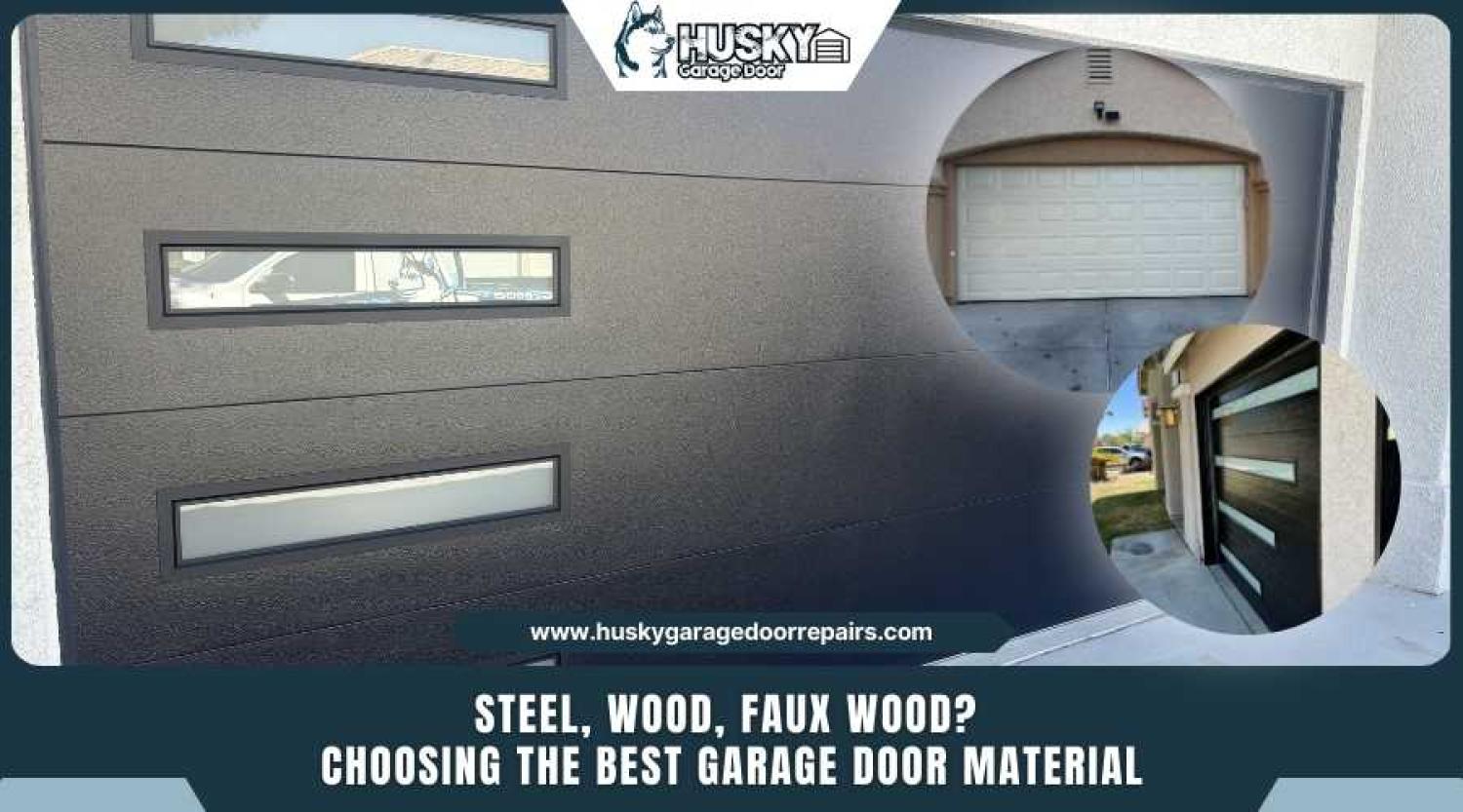
- Type of Door: Materials like steel, aluminum, or wood significantly affect the cost of repairs and replacements.
- Complexity of Repair: Simple tasks, like lubricating rollers, will cost much less than replacing high-tension springs or entire panels.
Garage Door Repair Cost Comparison: Automatic vs. Manual Doors
The cost to repair automatic and manual garage doors varies significantly due to the complexity of their mechanisms.
- Automatic Garage Doors: Repairs for automatic garage doors are generally more expensive. Issues with the opener, sensors, or circuit boards can lead to repair costs ranging from $200 to $500. Replacing an opener or addressing motor-related problems may even push costs to $300 to $800 or more, especially for high-end models.
- Manual Garage Doors: Repairs for manual doors tend to be simpler and cheaper. With fewer components like openers and sensors, common repairs such as fixing springs or replacing rollers typically cost between $150 and $350.
While automatic doors offer convenience, their advanced systems can lead to higher maintenance and repair costs compared to the more straightforward manual models.
DIY Garage Door Maintenance: What You Can Do to Save on Costs
Routine maintenance of your garage door can significantly extend its lifespan and help you avoid costly damage repairs. With a few simple tasks, you can ensure your garage door runs smoothly without needing frequent professional service. Here’s a breakdown of the DIY steps you can take to maintain your garage door and reduce expenses:
1. Lubricate Moving Parts
Components such as hinges, rollers, and springs need regular lubrication to prevent friction and wear. Using a silicone-based lubricant, you can reduce noise and prevent damage over time. Avoid using grease, as it attracts dirt that can cause additional wear.
2. Tighten Hardware
Over time, bolts and screws on the brackets, tracks, and roller mounts can become loose due to constant movement. Regularly checking and tightening these will prevent misalignment and other operational issues that can lead to more expensive repairs.
3. Clean and Inspect Tracks
The tracks that guide your garage door must be free of dirt and debris to allow for smooth operation. Clean them with a damp cloth and check for dents or bends. If you notice damage, it’s best to call a professional, but regular cleaning helps avoid long-term issues.
4. Inspect Rollers
Rollers allow the door to move along the tracks. They can wear out or become damaged, leading to jerky or noisy movements. Inspect your rollers twice a year and replace them if necessary. Nylon rollers tend to wear out faster than steel ones but are quieter in operation.
5. Test the Balance of the Door
A door that’s out of balance can put extra strain on the opener and other components, leading to faster wear. To check the balance, disconnect the automatic opener and manually lift the door halfway. If it stays in place, it’s balanced. If it falls, the springs may need adjustment by a professional.
6. Check and Replace Weather Stripping
The weather stripping at the bottom of your garage door keeps out debris, moisture, and pests. Check it regularly for cracks or wear and replace it if needed to improve insulation and keep your garage energy-efficient.
7. Test the Auto-Reverse Safety Feature
Modern garage doors have an auto-reverse function for safety, stopping the door from closing if an object is in its path. Test this feature by placing an object under the door. If it doesn’t reverse immediately, clean the sensors and realign them as needed.
8. Inspect Springs and Cables
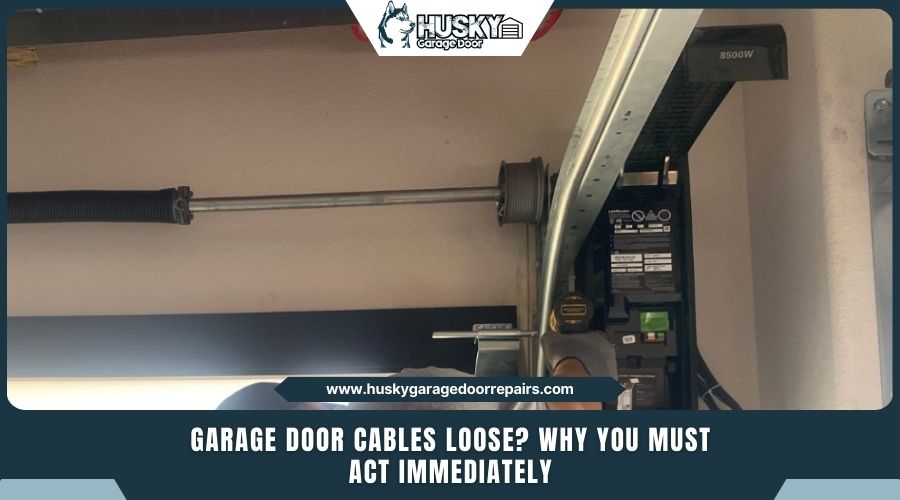
Springs and cables are crucial to your door’s operation, but they can be dangerous to work with due to high tension. Visually inspect them for wear or fraying, but leave any replacements or adjustments to professionals to avoid injury.
“Garage doors can cause injury and property damage (including expensive damage to the door itself) in several ways. The most common causes of injury from garage door systems include falling doors, pinch points, improperly adjusted opener force settings, and safety eyes, attempts at do-it-yourself repair without the proper knowledge or tools, and uncontrolled release of spring tension (on torsion spring systems)”-Source
Benefits of Regular DIY Maintenance
- Cost Savings: Regular maintenance can help you avoid expensive repairs like broken springs or rollers, which can cost hundreds of dollars to fix.
- Increased Lifespan: Preventative care keeps your garage door system in good shape, extending its operational life and delaying the need for major replacements.
- Better Performance: A well-maintained garage door will operate more quietly and smoothly, reducing the likelihood of unexpected breakdowns.
While DIY maintenance can save you money, always be aware of your limits. Tasks like spring or cable replacement should be handled by professionals due to the safety risks involved. By performing routine maintenance and knowing when to call in an expert, you can keep your garage door functioning properly for years without breaking the bank.