Selecting the ideal garage door for your commercial property is a decision that goes beyond aesthetics. It requires careful consideration of durability, functionality, security, and energy efficiency to meet the unique demands of commercial operations. If you own a warehouse, retail store, or manufacturing facility, the right garage door can significantly enhance operational efficiency and long-term value.
This guide explores the factors to consider when choosing a commercial garage door, highlights the features of different door types, and provides tips for ensuring a seamless installation process.
Key Factors to Consider When Choosing Commercial Garage Doors
1. Durability and Longevity
Commercial properties often experience heavy daily traffic, making durability a critical factor. Garage doors made from materials like galvanized steel or reinforced aluminum can endure frequent use and withstand harsh weather conditions. For added protection, some doors feature scratch-resistant coatings or anti-corrosion finishes, which extend their lifespan in demanding environments.
2. Security Features
Security is paramount for commercial properties. Advanced features like tamper-resistant locks, reinforced panels, and integrated security systems protect valuable inventory and equipment. Rolling steel doors are especially popular for their ability to provide unmatched security, while sectional doors with advanced locking mechanisms can deter unauthorized access effectively.
3. Functionality and Operational Efficiency
Commercial operations often require quick and seamless access. Automatic doors with high-speed opening and closing mechanisms enhance efficiency, especially in high-traffic areas. Doors equipped with smart technology, such as remote access or motion sensors, further streamline operations and minimize delays.
4. Insulation and Energy Efficiency
Insulated garage doors are essential for industries requiring controlled environments, such as food storage or sensitive equipment manufacturing. These doors minimize heat loss, reduce energy consumption, and provide soundproofing benefits. In addition to lowering utility costs, insulation ensures a comfortable working environment, making it a worthwhile investment for any business.
5. Aesthetic and Branding Considerations
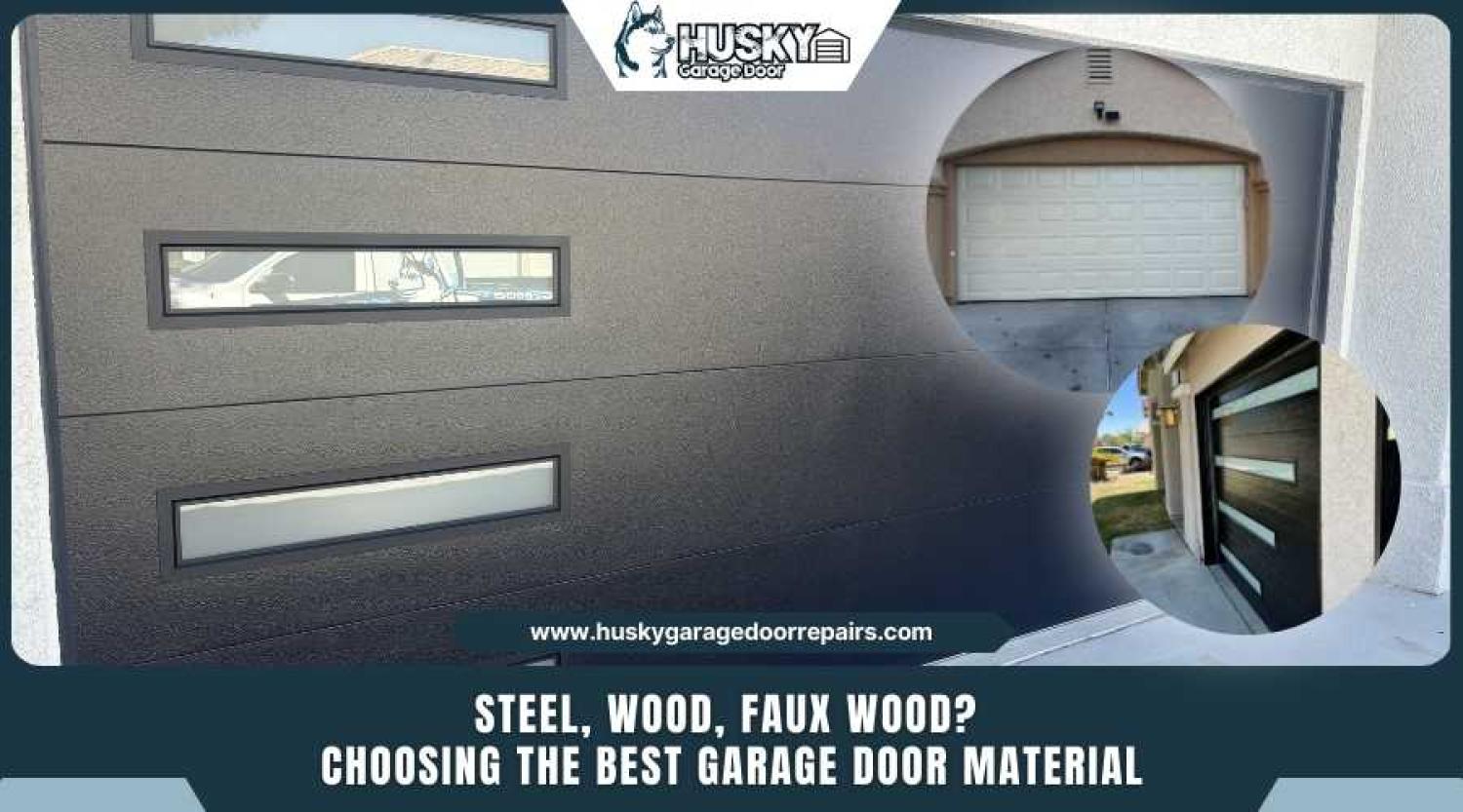
The appearance of your garage door can influence the overall impression of your business. Custom designs allow you to incorporate brand colors or logos, creating a cohesive and professional look. Glass-panel doors are a popular choice for showrooms, offering a sleek, modern aesthetic, while wood-finish steel doors provide a classic appeal.
Exploring Commercial Garage Door Options
Commercial garage doors come in various types, each designed to meet specific functional and aesthetic requirements.
| Type | Features | Ideal Applications |
| Roll-Up Garage Doors | Space-saving, durable, and highly secure. Suitable for tight spaces. | Warehouses, loading docks, service bays |
| Sectional Doors | Provide excellent insulation and noise reduction. | Office buildings, retail outlets, parking garages |
| High-Speed Doors | Allow rapid access and closure for high-traffic areas. | Manufacturing plants, distribution centers |
| Glass-Panel Doors | Sleek, modern, and allows natural light. | Showrooms, upscale commercial spaces |
| Fire-Rated Doors | Fire-resistant, compliant with safety standards. | Factories, storage facilities for hazardous materials |
Advantages of Roll-Up Garage Doors
Among the various options, roll-up garage doors are particularly popular for commercial properties due to their versatility and functionality:
- Space Efficiency: These doors roll up into a compact coil, saving valuable space and allowing for greater flexibility in the layout of your facility.
- Durability: Constructed from heavy-duty materials, roll-up doors are built to withstand frequent use and adverse weather conditions.
- Security: Reinforced slats and tamper-proof mechanisms make roll-up doors one of the most secure options for commercial spaces.
- Ease of Maintenance: Their simple design minimizes the risk of mechanical issues, reducing maintenance costs over time.
Custom Commercial Garage Doors Designed to Fit Your Business Needs
Custom commercial garage doors provide businesses with the flexibility to create solutions tailored to their specific operational and aesthetic requirements. If you choose steel for durability, aluminum for lightweight strength, or glass for a modern look, you can select materials that offer the right balance of functionality and visual appeal.
The size and dimensions of the door can be fully customized to accommodate large equipment, vehicles, or inventory, ensuring smooth operations for industries like warehousing, logistics, or service centers.
Advanced automation options, such as remote access, smartphone integration, and motion sensors, can be incorporated for enhanced security and ease of use, streamlining daily tasks and improving overall efficiency.
Choosing a custom garage door ensures your commercial property is equipped with a functional, secure, and stylish solution that aligns with both your business operations and brand identity.
Steps to a Seamless Garage Door Installation
Proper garage door installation is crucial for ensuring your commercial garage door functions optimally and lasts for years. Here’s a step-by-step guide:
1. Assess Business Needs
Define the primary purpose of the garage door. Are you prioritizing security, insulation, or aesthetic appeal? Understanding your needs helps narrow down options and ensures your choice aligns with operational requirements.
2. Select the Right Type
Choosing the correct type of garage door depends on your property’s layout and use case. For example:
- Roll-Up Doors: Ideal for spaces with limited overhead clearance.
- Sectional Doors: Provide better insulation and soundproofing.
- Glass-Panel Doors: Offer a modern aesthetic for showrooms.
Comparing Garage Door Types by Key Features
| Feature | Roll-Up Doors | Sectional Doors | Glass-Panel Doors |
| Space-Saving Design | ✔️ | ❌ | ❌ |
| Insulation Capabilities | Moderate | High | Low |
| Aesthetic Appeal | Moderate | Moderate | High |
| Security | High | Moderate | Low |
3. Work with Professionals
Hiring experienced technicians ensures precise installation, reducing the risk of operational issues and accidents. Professionals also provide guidance on door selection and configuration.
4. Incorporate Technology
Modern automation features, such as motion sensors, remote controls, and smart locks, enhance usability and security. Installing these during the initial setup avoids future retrofitting costs.
5. Schedule Regular Maintenance
Post-installation maintenance is critical for preserving the door’s performance. Regular inspections help identify wear and tear early, ensuring smooth operation.
The Importance of Insulation for Commercial Garage Doors: Enhancing Efficiency and Durability
Insulated commercial garage doors provide essential benefits for businesses, including improved energy efficiency. By maintaining consistent indoor temperatures, these doors reduce the strain on heating and cooling systems, leading to noticeable energy savings—especially for warehouses, office buildings, and retail spaces.
Noise reduction is another key advantage, making insulated doors ideal for properties in noisy, high-traffic areas. These doors help create a quieter, more focused work environment, which is valuable for offices, workshops, and manufacturing facilities.
The durability of insulated doors is also notable. They are resistant to damage from frequent use, harsh weather, and wear, resulting in longer-lasting doors and fewer repair costs.
For businesses that store temperature-sensitive inventory or equipment, insulated doors are crucial. They maintain stable internal temperatures, protecting perishable goods and sensitive materials from environmental fluctuations.
Choosing insulated commercial garage doors ensures enhanced efficiency, lower energy costs, and improved durability, providing long-term value for business owners.
Emerging Technology Trends in Commercial Garage Doors
Modern advancements have revolutionized commercial garage doors, adding layers of convenience and security. Key trends include:
- Smart Technology: Features like smartphone controls, motion sensors, and automated locking systems allow for seamless operation and enhanced security.
- Energy-Efficient Designs: Eco-friendly materials and insulation are increasingly popular, aligning with sustainability goals.
- Fire Safety Integration: Fire-rated doors with smart triggers ensure compliance with safety regulations while providing advanced protection.
Adopting these technologies can future-proof your commercial property, ensuring operational efficiency and safety.
Essential Maintenance Tips for Commercial Garage Doors to Ensure Longevity and Optimal Performance
Routine maintenance is essential for maximizing the lifespan of your garage door. Here are some tips:
- Inspect Components Regularly: Check tracks, rollers, and hinges for signs of wear or misalignment.
- Lubricate Moving Parts: Apply high-quality lubricants to springs, rollers, and hinges to ensure smooth operation.
- Test Safety Features: Periodically test sensors and automatic stops to ensure they are functioning properly.
- Clean the Door Surface: Remove dirt and debris to maintain the door’s appearance and prevent corrosion.
- Schedule Professional Inspections: Certified technicians can identify potential issues before they escalate, saving time and repair costs.
Concluding Insights: Investing in a Reliable Garage Door for Your Business
Choosing the right garage door for your commercial property involves careful consideration of durability, security, functionality, and aesthetics. If you opt for the versatility of roll-up garage doors, the sleek appeal of glass-panel doors, or the energy efficiency of insulated options, the key is aligning the door’s features with your business requirements.
By working with professional installers and investing in regular maintenance, you can ensure your commercial garage door remains an asset for years to come.
FAQs
- What is the industry code for garage doors?
The industry code for garage doors typically falls under NAICS 332321 for manufacturing overhead doors. This code includes the production and installation of both residential garage doors and commercial garage doors. - How do I choose the right garage door?
Choosing the right garage door depends on factors such as durability, security, style, and energy efficiency. Consider your business needs, if it’s a roll-up garage door for easy access or an insulated garage door for energy savings. - What is the size of a typical commercial garage door?
A typical commercial garage door is usually 8 to 14 feet wide and 10 to 16 feet high. However, sizes can vary depending on the business requirements and the type of equipment or vehicles needing access. - What is the difference between commercial and residential doors?
Commercial garage doors are built for heavier-duty use, providing greater security and durability compared to residential garage doors. Commercial doors are often larger, stronger, and more robust to withstand frequent use and various environmental conditions. - Do all commercial doors have to be fire-rated?
Not all commercial garage doors need to be fire-rated, but many businesses, especially those in high-risk industries, require fire-rated doors to meet safety regulations and protect assets. Always check with local fire safety codes. - What are commercial garage doors made of?
Commercial garage doors are typically made from steel, aluminum, or wood, with options like insulated or glass-panel doors for specific needs like energy efficiency and aesthetics. - How big should commercial doors be?
The size of commercial garage doors should accommodate the specific needs of the business, such as vehicle size or equipment access. Typical widths range from 8 to 14 feet, with heights varying from 10 to 16 feet, based on operational requirements. - What types of doors are used in commercial buildings?
Common types of doors used in commercial buildings include roll-up garage doors, overhead doors, sectional doors, and sliding glass doors, chosen based on functionality, security, and the specific needs of the business. - Why do commercial buildings have two sets of doors?
Commercial buildings often have two sets of doors for security and energy efficiency. One set acts as a primary entrance, while the second serves as an airlock or buffer zone, minimizing energy loss and preventing unauthorized access. - Do commercial doors swing in or out?
Commercial doors typically swing outward to meet safety codes and provide easier access in emergencies. However, depending on building codes and the nature of the business, some commercial doors may swing inward.